

Efficient Lighting for Eco-Friendly Spaces + Natural Light Optimization
Introduction
Welcome to our guide on optimizing lighting in eco-friendly spaces by harnessing natural light and utilizing efficient lighting solutions. Creating a well-lit environment not only enhances the aesthetics of a space but also contributes to energy conservation and sustainability. Let's delve into some strategies to achieve this balance.
Natural Light Optimization
Maximizing natural light not only reduces the need for artificial lighting but also provides numerous health benefits due to exposure to sunlight.
- Position workspaces near windows to maximize natural light exposure.
- Use light-colored and reflective surfaces to bounce natural light deeper into the space.
- Install skylights or light tubes to bring natural light into interior spaces.

Efficient Lighting Solutions
When artificial lighting is necessary, opting for energy-efficient solutions can significantly reduce electricity consumption.
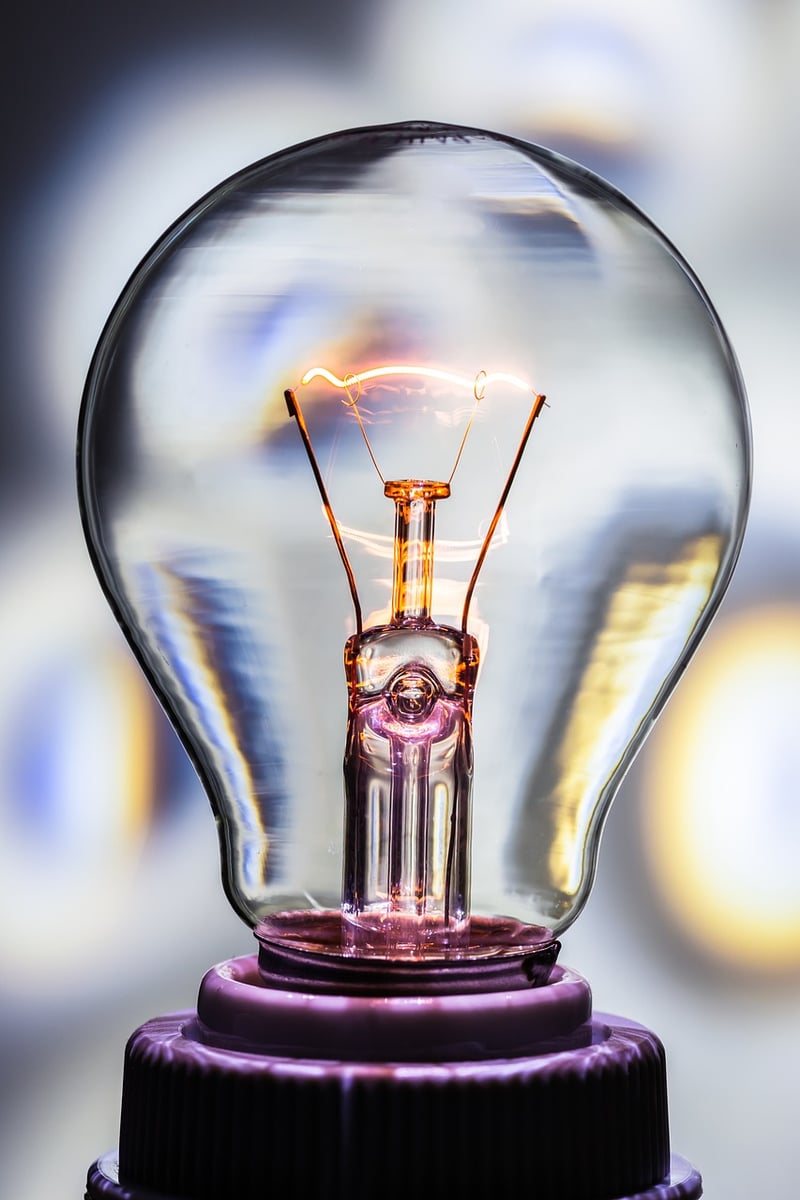
- Switch to LED bulbs that consume less energy and have a longer lifespan compared to traditional incandescent bulbs.
- Use motion sensors or timers to control lighting and ensure lights are not left on unnecessarily.
- Utilize task lighting to focus light where it is needed, reducing overall energy usage.
Conclusion
By combining natural light optimization techniques with efficient lighting solutions, eco-friendly spaces can be well-lit while minimizing energy consumption. Embracing these practices not only benefits the environment but also creates healthier and more sustainable living and working environments.
Remember, a well-lit space is not just visually appealing but also contributes to a greener future!